PRESS RELEASE – FOR IMMEDIATE RELEASE
Brussels, March 5, 2026
EU agrees on ban for plant-based food names: Veggie “Burger” and “Sausage” saved
The European Union has agreed on a list of words to ban for plant-based alternatives. During Thursday afternoon, the negotiators of the European Parliament, Council and Commission reached an agreement that will ban the use of 31 words in total.
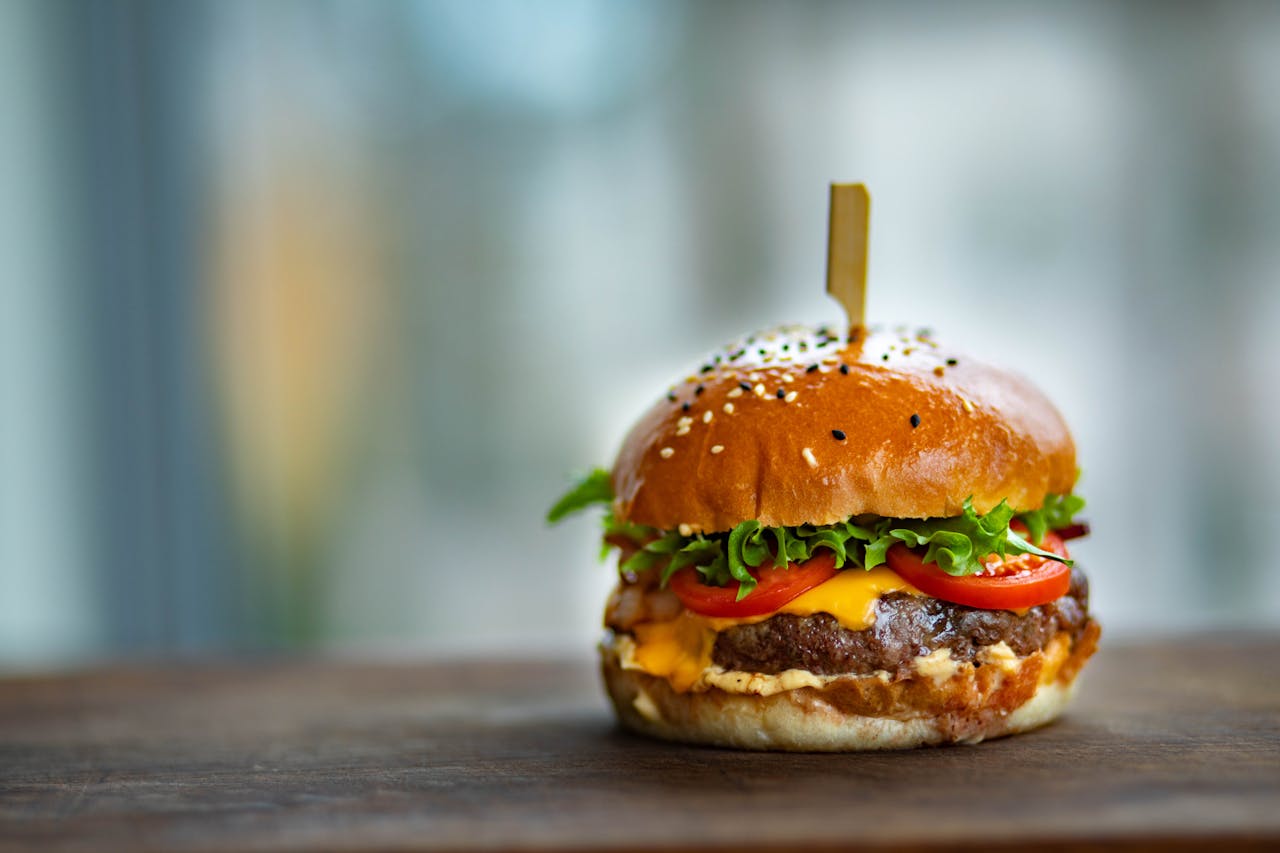
The list includes animal associated names such as “chicken:, “beef” or “pork” and cuts terms like “breast”, “thigh” or “drumstick”. Highly debated descriptive terms such as “burger”, “sausage” and “nuggets” will still be allowed, but not “steak”, which was added to the ban list, together with “liver” during the negotiations.
The other contentious issue in the negotiation was the inclusion of novel foods, such as cellular agriculture. Although the products are not yet available on the EU market, the co-legislators agreed to extend the ban preemptively.
The No Confusion Coalition-led by the European Vegetarian Union (EVU) and WePlanet and representing more than 600 organisations, NGOs and food companies across Europe, reacts with serious concern for the “unnecessary ban”, calling on a broad impact assessment on the legal and market implications of the regulation.
However, the group celebrates that the most common and familiar descriptive terms have been protected,
“This decision goes against several EU priorities such as increased competitiveness, innovation, food security, affordability, simplification and higher income for farmers producing the products. It is incomprehensible that our policymakers are focussing on made up issues, when the world is at crisis. We are happy that some common sense prevailed in the most frequently used words, but banning 31 words is not a censorship that makes Europeans proud” said Rafael Pinto, Senior Policy Manager at the European Vegetarian Union.
“We hope the Commission, Council and Parliament reflect on what has been agreed today and better align their priorities with the needs of EU citizens, farmers and consumer demands. This ban does not help a single farmer. It does not improve a single consumer’s life. It exists to protect niche political interests—nothing more. We’re even banning things that don’t exist yet. Over 600 organisations, companies and a petition signed by over 350k citizens were ignored” added, Rob de Schutter, Head of Communications at WePlanet
“This trilogue agreement sends a worrying signal for Europe’s food sector. While we welcome that some commonly used terms remain allowed, banning a wide range of animal-related names and cut descriptions for plant-based alternatives creates unnecessary red tape and market barriers while helping neither farmers nor consumers. This happens at a time when the EU should be boosting competitiveness and innovation. We urge policymakers to work with food businesses to ensure proportionate, coherent rules that support innovation, investment and sustainable food value chains,” said Siska Pottie, Secretary General of the European Alliance for Plant-based Foods.
Strong market impacts are expected
Earlier this year, research by BALPRO, a plant-based industry association in Germany, estimated market losses exceeding 250 million euros in Germany alone for a full denominations ban. A recent analysis based on a SYSTEMIQ report estimates the total cost of regulatory hurdles on the sector, including naming restrictions, can lead up to 56 billion euros EU wide lower projected annual gross value added in 2040.
Civil society organisations and companies further highlight that no comprehensive EU-wide impact assessment or public consultation have been conducted , a staggering omission for legislation of this scope, with impacts across the food chain, including producers, retailers, food services, restaurants and consumers.
The text might also create a cascade of unresolved legal and commercial questions, leading to several court cases across the EU depending on translation, interpretation and enforcement across the 27 Member-States. In 2024, in a case involving the European Vegetarian Union, French Vegetarian Association and the French Government, the European Court of Justice ruled that existing laws were already sufficient to protect consumers from confusion.
According to Rafael Pinto, “Some policymakers seemed unhappy with the common sense and legal analysis of the judges and decided that changing the law was the way to go. This further puts into question the principle of proportionality and the efficiency of the EU’s legal system. We now may see dozens of national cases dragging the subject through courts for years to come.”
It is also unclear how the new law will impact:
- Flavourings used by the food industry, such as chicken and bacon flavour used in thousands of mainstream food products — noodles, crisps, sauces, soups.
- Hybrid products combining animal and plant-based protein, increasingly popular in markets such as Denmark and the Netherlands;
A missed opportunity
This legislation was originally meant to strengthen farmers’ position in the supply chain. Instead, organisations claim it was hijacked by a naming debate that will not increase a single farmer’s income, improve market access, or address the real structural challenges of European agriculture: fair prices, the dominance of large retailers, and the need for investment in local supply chains.
“As someone who personally has his roots in farming, but moreover as an organisation, we’ve spoken to farmers directly, as well as farmers unions. Most of them look at these new regulations as a distraction from real problems farmers face. It is a plastic trophy in a culture war no one asked for. ”
said De Schutter at WePlanet.
Next steps
The co-legislators agreed to give producers 3 years to exhaust stock and align new regulations after entry into force. The technical details of the text will be finalised next week on Friday. Then the file will move to a vote in the Agriculture and Fisheries Council, with Member-State Ministers and one final vote in the Parliament plenary.
The No Confusion Coalition will scrutinise the agreed text closely and will continue to engage in the legislative process until the end to seek clarifications and, where possible, corrections. We call on the Council and European Parliament to not support this agreement. We call on the Commission to undertake a full impact assessment as a matter of priority.
List of 31 words:
Beef; Veal; Pork; Poultry; Chicken; Turkey; Duck; Goose; Lamb; Mutton; Ovine; Goat; Drumstick; Tenderloin; Sirloin; Flank; Loin; Ribs; Shoulder; Shank; Chop; Wing; Breast; Thigh; Brisket; Ribeye; T-bone; Rump; Bacon; Steak; Liver.