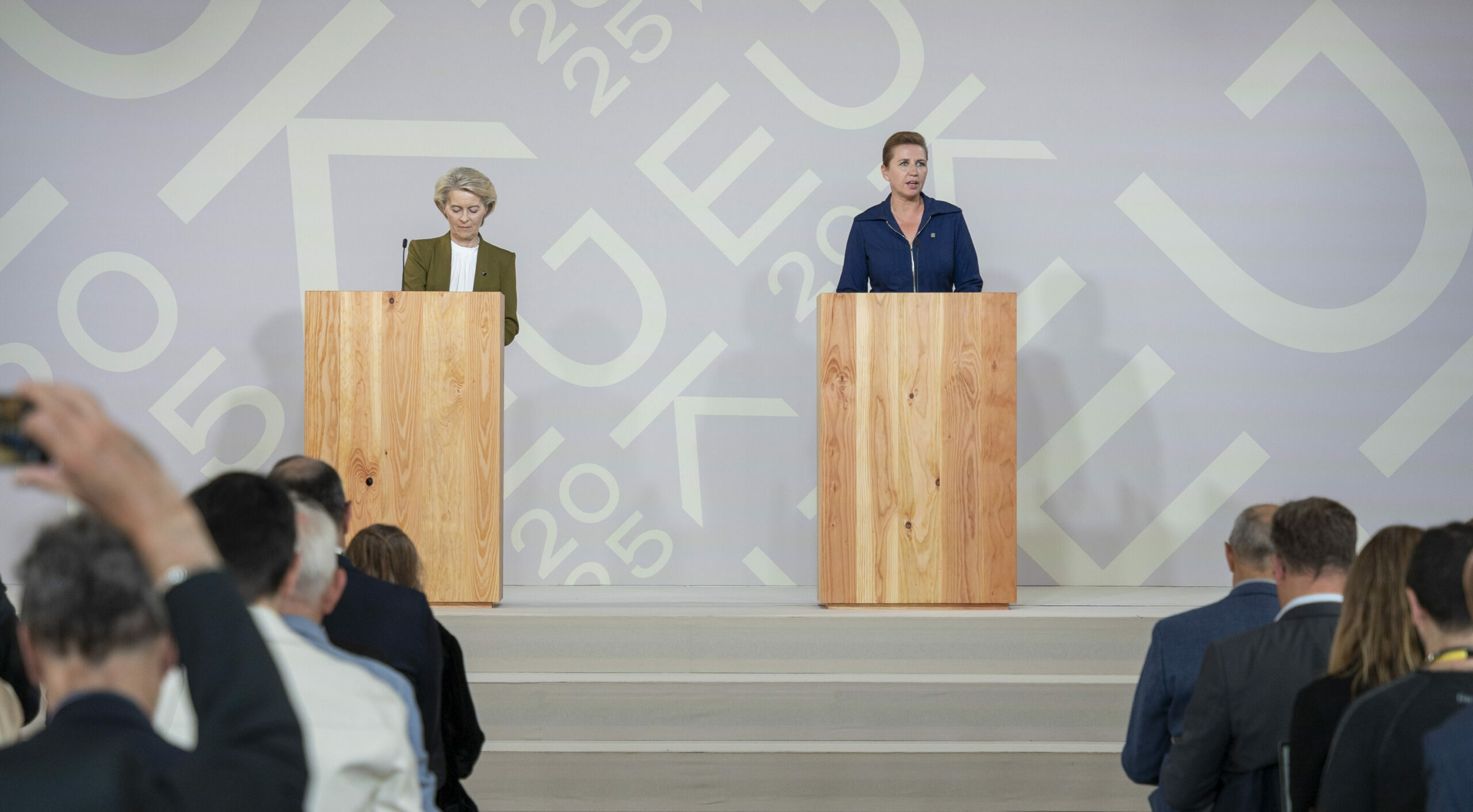
Denmark held the rotating Presidency of the Council of the European Union until the end of 2025, under the slogan “A strong Europe in a changing world.” Its priority themes included regulatory simplification, competitiveness, the green transition, innovation, and creating a more enabling environment for farmers and food producers across the EU. In the official programme of the Danish EU Presidency, Denmark committed to exploring the potential of a common EU Action Plan for Plant-Based Foods, with the objective of supporting the transition towards a more sustainable and resilient European food system.
Denmark has developed one of the most advanced national approaches to plant-based food in Europe. Its government-backed national action plan for plant-based foods aims to expand production and consumption of plant-based foods, and is integrated into the country’s domestic food strategy. This remains a unique approach within the EU, and has raised significant expectations regarding Denmark’s presidency in 2025. In this context, the Presidency organised and supported three major events that brought together policymakers, stakeholders, and experts to explore the role of plant-based foods in strengthening sustainability, resilience, and competitiveness across the EU food system.
AGRIFISH Council Meeting on Plant-Based Foods
At the AGRIFISH Council meeting on 14 July 2025, EU agriculture ministers held an exchange of views on how to support the growing role of plant-based foods and protein diversification within Europe’s food system. The discussion on proteins initiated by the Danish Presidency, built on various national initiatives related to protein diversification and aimed to explore possible next steps at EU level. The Presidency invited Member States to share their perspectives and consider how EU coordination and funding could support producers, improve resilience and food security, facilitate healthier diets, and contribute to Europe’s climate and economic objectives.
Inter-Parliamentary Conference on Transforming the EU’s Food Systems
An Inter-Parliamentary Conference took place in Billund on 11–12 September 2025, where the Danish Parliament focused on the role of plant-based foods and bio-solutions in strengthening European food security and supply resilience. The conference brought together Members of national parliaments from across the EU and Members of the European Parliament to discuss pathways for transforming the EU’s food production system, with a strong emphasis on sustainability and security of supply.
The Danish Parliament aimed to highlight how plant-based foods and bio-solutions can contribute to strengthening European food security, improving competitiveness, and reducing the negative impacts of current food production systems on the environment, climate, and public health. To support these discussions, experts and policymakers from Denmark and across Europe were invited to share their knowledge and perspectives.
The Plant Food Summit 2025
The Plant Food Summit 2025 took place in Copenhagen on 20–21 October 2025, where the Danish Government reiterated its ambition for an EU Action Plan for Plant-Based Foods. The event brought together politicians, farmers, industry leaders, researchers, civil society organisations, and think tanks, gathering more than 420 participants from 38 countries to discuss the future of sustainable food systems. The event was widely praised for its strong bridge-building approach, connecting stakeholders from all 27 EU Member States. The Summit inspired to address complex food system challenges in innovative and collaborative ways, with cooperation emerging as a central theme throughout the discussions.
In his opening speech at the summit, Jacob Jensen, the Danish Minister for Food, Agriculture and Fisheries, emphasised that a food system centred on plant-based foods is essential to addressing major challenges, including the biodiversity and climate crises, while also improving the health and wellbeing of EU citizens. He reaffirmed Denmark’s position that the EU should adopt a common action plan for plant-based foods and green proteins. According to the minister, such a plan would stimulate demand, send a clear signal to industry and farmers, and support Europe’s transition towards more sustainable food production. He also emphasised Denmark’s commitment to continued close cooperation with other EU member states on this agenda.
Towards an EU Action Plan for Plant-Based Food
During its EU Council Presidency, Denmark firmly placed plant-based foods on the European policy agenda through high-level discussions. These initiatives emphasised the growing recognition of plant-based foods as a key component of sustainable, resilient, and competitive food systems within the EU, while reinforcing calls for a common EU Action Plan for Plant-Based Foods. We hope that the Cyprus Presidency, even if this is not explicitly reflected in its programme, will build on this momentum and continue advancing discussions on an EU Action Plan for Plant-Based Foods.