PRESS RELEASE – FOR IMMEDIATE RELEASE
Brussels, August 26, 2026
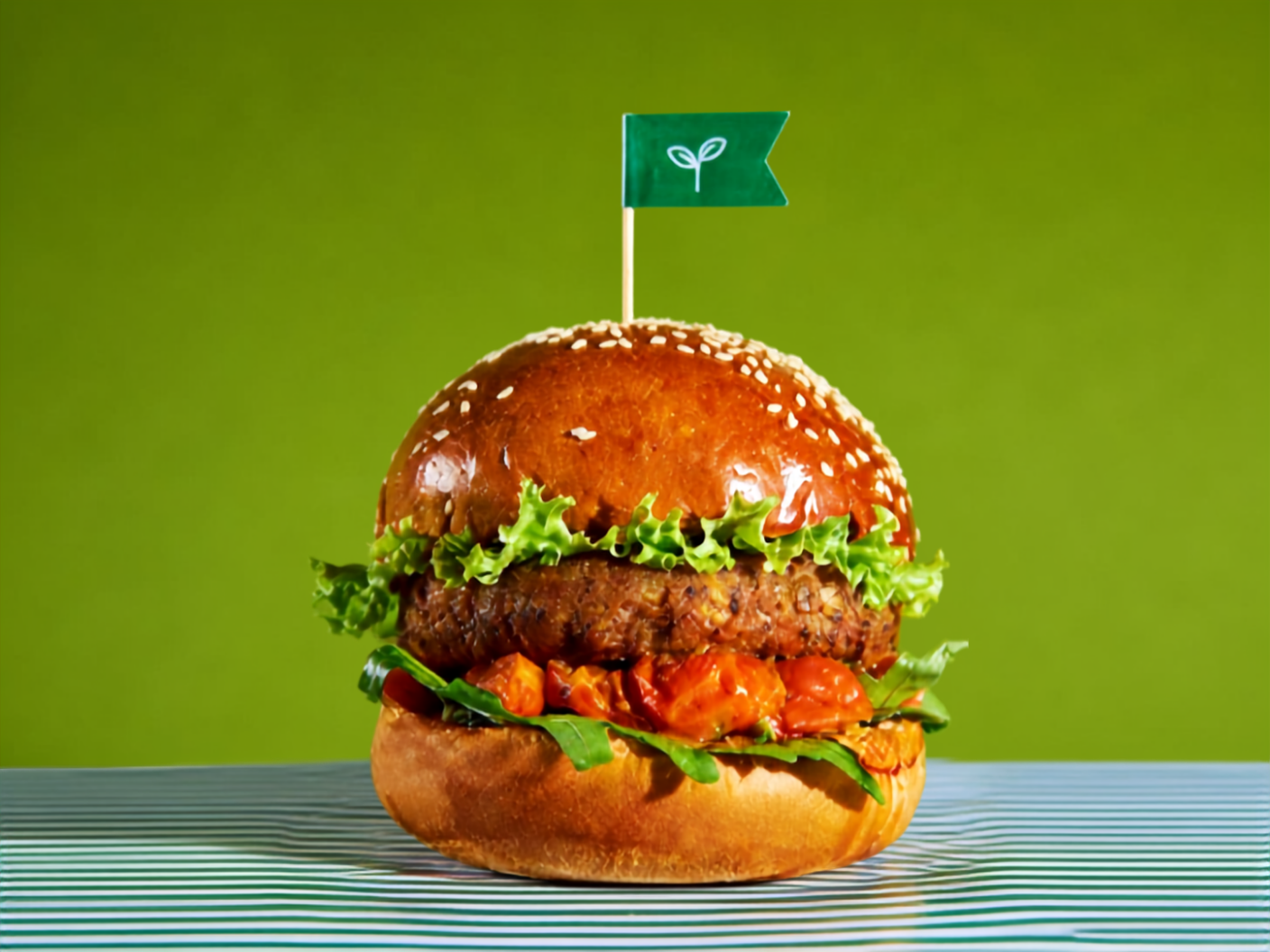
European Parliament to vote on “veggie burger ban” for the third time
The debate over “veggie burgers” naming has returned, with MEPs tabling amendments to the ongoing full revision of the Common Market Organisation (CMO) Regulation during the summer break.
In February this year, the EU institutions agreed to reserve 31 animal-species and meat-cut terms exclusively for products of animal origin, while leaving format names such as ‘burger’, ‘sausage’ and ‘nuggets’ available for plant-based producers. That compromise, which just entered into force on the 19th of August, may now be overturned with members from the EPP, Patriots for Europe and ECR groups signing several proposals to extend the ban.
Among the words to be added to the blacklist are “hamburger”, “sausage”, “nuggets”, but also terms not previously discussed such as “meatballs”, “rabbit” or “black and white blood sausage”. Products containing a mix of animal and plant-based proteins, so called “blended” proteins, are also now explicitly targeted by the proposals.
“This is the third time in six years, and the second time during the current parliamentary term, that the European Parliament will vote on banning the words ‘burger’ and ‘sausage’ for plant-based products. MEP’s have been hard a work during the summer while Europeans were struggling with wildfires, droughts and rising costs of living, to once again bring back this non-sense topic” states Rafael Pinto from the European Vegetarian Union and spokesperson for the The NoConfusion Coalition, which represents over 600 companies, retailers, investors, consumer and environmental organisations across 22 EU countries.
On the other side, members from the S&D group, Greens/EFA and Left, are proposing to either delete the blacklist entirely or ease the implementation on a technical level.
According to the Parliament’s calendar, the Agriculture Committee debate on the proposed amendments is set to take place already next week, on the 2nd of September, followed by technical meetings and the vote scheduled for December. The plenary vote will take place next year.
Farmers are dealing with drought, not arguing about labels
The coalition questioned the timing and priorities of the amendments, which came after a summer in which farmers across Europe had been battling severe drought conditions.
“Farmers have spent the whole summer combating drought, failing yields and mounting input costs. What they need from Brussels right now is support to adapt, improved water management, resilient crop varieties, income stability and effective crisis tools. Instead, MEPs are once again expending political resources on re-fighting a settled labelling dispute that does nothing to help farmers through a period of crisis” says Maria Laura Helguero, EU Policy Lead for WePlanet who coordinates the NoConfusion Coalition.
A single market that speaks 27 different languages
The coalition is particularly concerned by the wording of the new proposals, which states that the list of restricted terms ‘does not affect the ability of Member States to maintain or introduce additional national protective measures for other meat-related designations, in accordance with Union law’. This clause would give each of the 27 Member States the green light to decide for themselves what plant-based products can be called.
This is an open invitation to fragment the single market. A plant-based sausage that can be sold under that name in one Member State could be relabelled, reformulated or removed from shelves in another. That is having 27 different rulebooks for the same product, and it is exactly the kind of regulatory chaos that the EU claims to be trying to avoid.
The European Court of Justice, in a 2024 ruling, had already warned about the possibility of market fragmentation with such bans.
Red tape at the exact moment the EU says it wants protein diversification
The coalition also warned that reopening the naming debate would directly undermine the European Commission’s stated ambitions for its proposed Protein Plan, which aims to strengthen EU protein production and reduce reliance on imports.
It is claiming to champion protein diversification with one hand while piling fresh rebranding costs, legal uncertainty and compliance burdens onto the same sector with the other. EU decision-makers should avoid introducing red tape aimed specifically at sustainable protein products, which are intended to support the aims of the Protein Plan.
The coalition argues that the ambitions of the Protein Plan will only be realised if the EU creates the right conditions across the entire value chain, and not just at the level of primary production.
What the coalition is calling for
The No Confusion Coalition are calling on MEPs, the Council, and the Commission to:
- Reject any amendment that restricts the use of terms like “burger”, “steak” or “sausage” and others for plant-based foods.
- Do not introduce restrictions to hybrid products, as this would result in them being subject to rules designed for a completely different category of product.
- Restore cultivated meat products right to market itself as meat, inline with biological definitions.
- Reject the Member State opt-out clause, as this would fragment the single market and create legal uncertainty for cross-border trade.
- Redirect legislative attention and resources towards measures that genuinely help farmers cope with drought, climate volatility and market instability.
- Align food labelling policy with the goals of the Protein Plan by creating an environment that enables protein diversification across the entire value chain, rather than introducing new red tape.
Link for amendment proposals
The proposals can be found in this link. The amendments concerning denominations start at 1577 and end at 1596.
About the No Confusion campaign
The No Confusion campaign unites more than 600 organisations, from business to civil society, across Europe opposing unnecessary restrictions on plant-based food labels. Coordinated by WePlanet and the European Vegetarian Union (EVU), the campaign is supported by leading NGOs, food companies, and consumer advocates. www.noconfusion.org